

No one expects to encounter trauma, biohazard, or hazardous materials risks at home or work, but trauma scenes and other incidents can leave behind dangerous substances. Blood, bodily fluids, and contaminated items can expose families and staff to illness or injury if not properly handled. That’s why professional trauma and biohazard cleanup services are essential: they keep everyone safe, safeguard health, and provide peace of mind after difficult events.
Professionals follow meticulous procedures and adhere to strict safety standards to remove hazards you can’t see or safely touch. If you want to learn more about how the cleanup process works and what sets it apart from ordinary cleaning, check out this aftermath cleaning guide. Trusting trained experts means you don’t have to worry about overlooked dangers or ongoing health risks in your space.
Understanding Trauma and Biohazard Cleanup
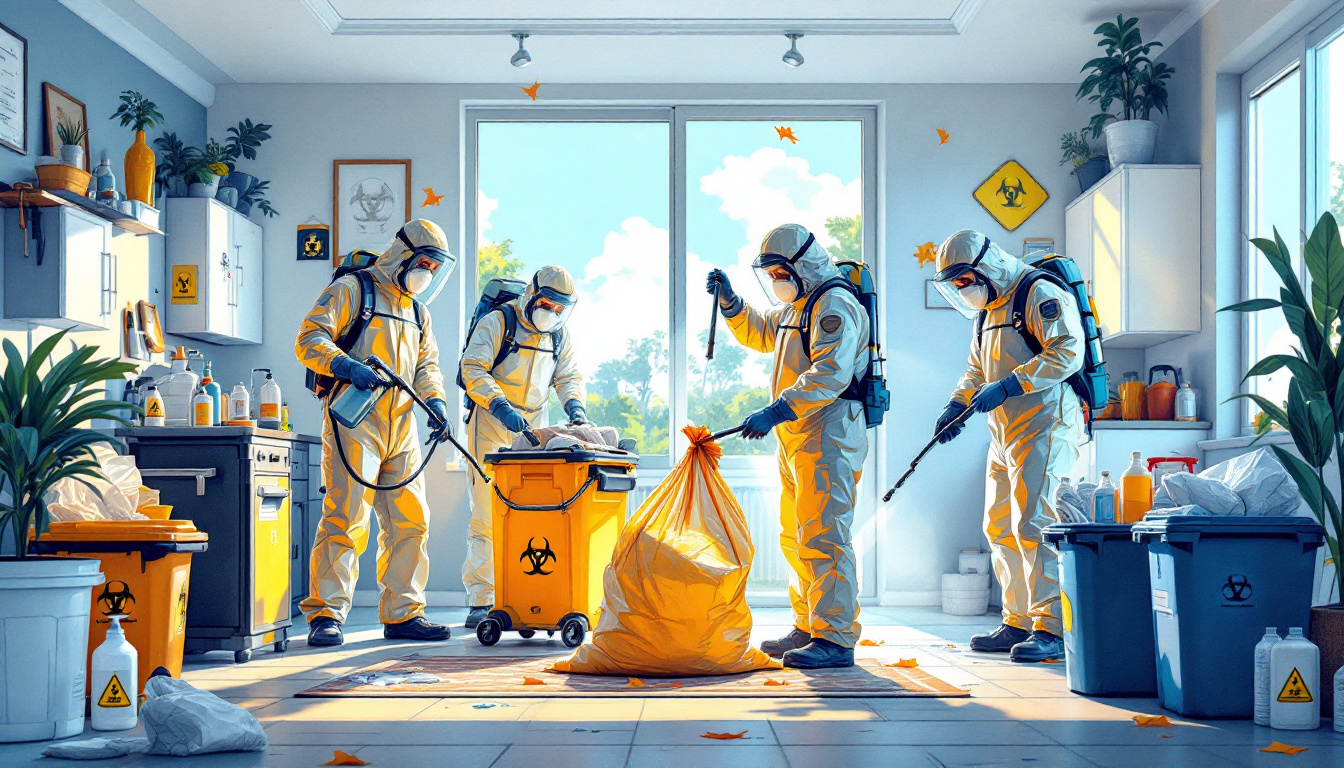
Dealing with trauma or biohazard situations requires more than just courage and household cleaning products. Serious incidents such as accidents, deaths, medical emergencies, violent crimes, or crime scene cleanup can leave behind hazardous contaminants that are often invisible to the naked eye. These events demand a specialized approach focused not only on health and safety but also on compliance with legal requirements. Professional trauma and biohazard cleanup addresses these risks through strict biohazard remediation protocols and the use of specialized equipment designed to protect everyone involved.
 ### What Counts as Trauma and Biohazard Cleanup?
Trauma cleanup involves sites contaminated with blood, bodily fluids, or other hazardous materials. This service goes well beyond hospital emergencies or TV crime scenes. Cleanup needs can arise from various situations, including:
- Accidents at home, at work, or on the road
- Unattended death (where a person has passed away and was not discovered immediately)
- Suicide or attempted suicide
- Violent crimes such as assault or homicide
- Industrial accidents or workplace injuries
- Infectious disease outbreaks
Biohazard cleanup specifically addresses any scenario involving agents that pose health risks, including blood, tissue, bodily fluids, and contaminated objects. These materials can harbor viruses, bacteria, or harmful chemicals, making it essential to handle them with trained expertise rather than ordinary rubber gloves.
Regular Cleaning vs Specialized Biohazard Cleaning
While it might seem that any spill or mess can be managed with standard household cleaners, trauma and biohazard scenes require a higher level of care and precision.
Key distinctions include:
- Cleaning agents: Professionals utilize hospital-grade disinfectants proven to eliminate pathogens, not just surface stains.
- Protective gear: Trauma cleanup technicians wear full personal protective equipment (PPE), such as respirators and gowns, to protect against exposure.
- Containment: Contaminated areas are sealed off meticulously to prevent cross-contamination to carpets, furniture, or HVAC systems—steps unnecessary in typical cleaning.
- Disposal: Waste is handled as regulated waste, meaning it is carefully labeled and disposed of according to strict medical and environmental regulations.
Regular cleaning restores appearance, but biohazard scenes necessitate both safety and legal compliance. According to trauma scene cleanup guidelines, professionals must adhere to workplace safety and public health laws, including regulations set by OSHA.
Legal and Health Considerations
Improper trauma or biohazard cleanup can have serious health and legal consequences, including:
- Exposure to bloodborne pathogens such as hepatitis B and HIV
- Transmission of bacteria and viruses through air and contaminated surfaces
- Chemical hazards originating from bodily fluids or cleaning agents
- Penalties or legal action for failing to comply with health regulations
For property owners and employers, the risks extend beyond physical health; inadequate cleanup can result in costly lawsuits or damage to reputation. Professional biohazard remediation teams strictly follow laws designed to protect public health and legal rights.
For more detailed information on safe handling and workplace cleanup standards, refer to OSHA’s resource on biohazard remediation.
Why Professional Expertise Matters
Biohazard cleanup experts are trained, experienced, and equipped to manage the complexities of trauma scenes. Here’s why hiring professionals is crucial:
- Accurate assessment of hazards unique to each trauma scene
- Use of advanced cleaning technologies unavailable to regular cleaners
- Full compliance with safety regulations and thorough documentation
- Respect for client privacy and compassionate support during difficult times
Professional trauma and biohazard cleanup removes visible contamination as well as invisible dangers you might overlook. Experts help families and staff return to a safe, healthy, and comfortable environment, making recovery easier. For a detailed overview of the trauma cleanup process, including best practices and standards, this resource offers valuable insights.
Health Risks of Exposure to Biohazards
Exposure to biohazard materials puts everyone in the affected area at considerable risk. These hazardous substances, including blood and bodily fluids, can be concealed in plain sight and cause serious harm if not removed properly. Families and staff rely on the space being completely safe, but lingering germs, chemicals, or decomposition byproducts threaten health, safety, and peace of mind.
The Dangers Found in Biohazardous Materials
When blood, bodily fluids, or other biohazardous materials are present, the risks must never be underestimated. Even a small spatter can contain enough bacteria or viruses to cause infection. Surfaces and air can become carriers, especially if the scene isn’t contained correctly during cleaning.
Common biohazards found at trauma, mass trauma, or accident scenes include:
- Viruses and bacteria: Hepatitis B, hepatitis C, HIV, MRSA, and more can be transmitted through blood or bodily fluids.
- Bloodborne pathogens: Invisible threats that enter the body through cuts or contact with eyes, nose, or mouth.
- Airborne contaminants: Tiny particles or droplets that float in the air and settle on surfaces.
- Toxic chemicals: Some cleaning agents or decomposing materials give off harmful fumes or leave toxic residues.
It only takes a small lapse in safety routines for these dangers to spread. To understand how professional services limit risks, read more about the key distinctions of aftermath cleanup services.
Common Health Issues After Exposure
Health effects from exposure to biohazards can be immediate or develop over time. Infectious disease is the most common concern, but the spectrum of possible harm is broad:
- Acute infections: Cuts or scrapes allow bacteria to enter quickly, with symptoms appearing within hours or days.
- Respiratory issues: Inhaling contaminated dust or droplets can cause lung infections or exacerbate asthma.
- Skin irritation and rashes: Direct contact leads to redness, swelling, or more severe reactions.
- Long-term consequences: Some viruses remain dormant and cause health problems months or years later.
- Chemical injuries: Harsh cleaning agents or decomposition byproducts may irritate the lungs, eyes, and skin.
In shared environments—such as offices, break rooms, or common areas—one missed spot can put everyone who enters at risk. According to CDC guidance, exposure to biological hazards is a leading cause of workplace illnesses and outbreaks.
Lasting Risks of Improper Handling
Improper cleanup done without trained professionals can result in lingering problems. Not all hazards are visible, and a mere surface clean is insufficient when pathogens and toxins are involved. Air currents, porous materials, and direct contact continue to spread germs even after a visual cleanup.
Poor decontamination can lead to:
- Repeated infections among family or staff
- Ongoing odors and psychological distress
- Liability issues for property owners or employers due to unsafe conditions
Understanding how to avoid these hazards is essential. For more insights, see the health risks detailed by PuroClean.
Why Professional Biohazard Cleanup is Essential
Effective biohazard cleanup involves far more than simple tidying. Certified technicians:
- Use hospital-grade disinfectants proven to kill a wide range of bacteria, viruses, and bloodborne pathogens
- Wear full personal protective equipment to prevent direct contact or inhalation of hazardous agents
- Contain and isolate the scene to prevent cross-contamination during the decontamination process
- Ensure safe and legal disposal of all hazardous waste and materials related to decomposition
- Provide compassionate support and expertise to families and staff throughout the cleanup
Following strict protocols, professionals minimize the risk of immediate infections as well as long-term health consequences. This expertise distinguishes them from standard cleaners or well-meaning DIY efforts. To learn more about safe procedures and what to expect, visit the risks of biohazard contamination page.
Taking biohazard cleanup seriously is crucial for restoring safety, trust, and confidence within any affected environment.
How Professional Cleanup Protects Families and Staff
Stepping into a space affected by trauma can be overwhelming. When trained technicians handle the cleaning, they provide much more than a simple tidy-up. Their expert trauma and biohazard cleanup transforms unsafe rooms into safe, welcoming environments—lifting a huge burden off everyone involved. Staff and loved ones can feel confident, knowing their environment has been restored and complies with health regulations to ensure safety.
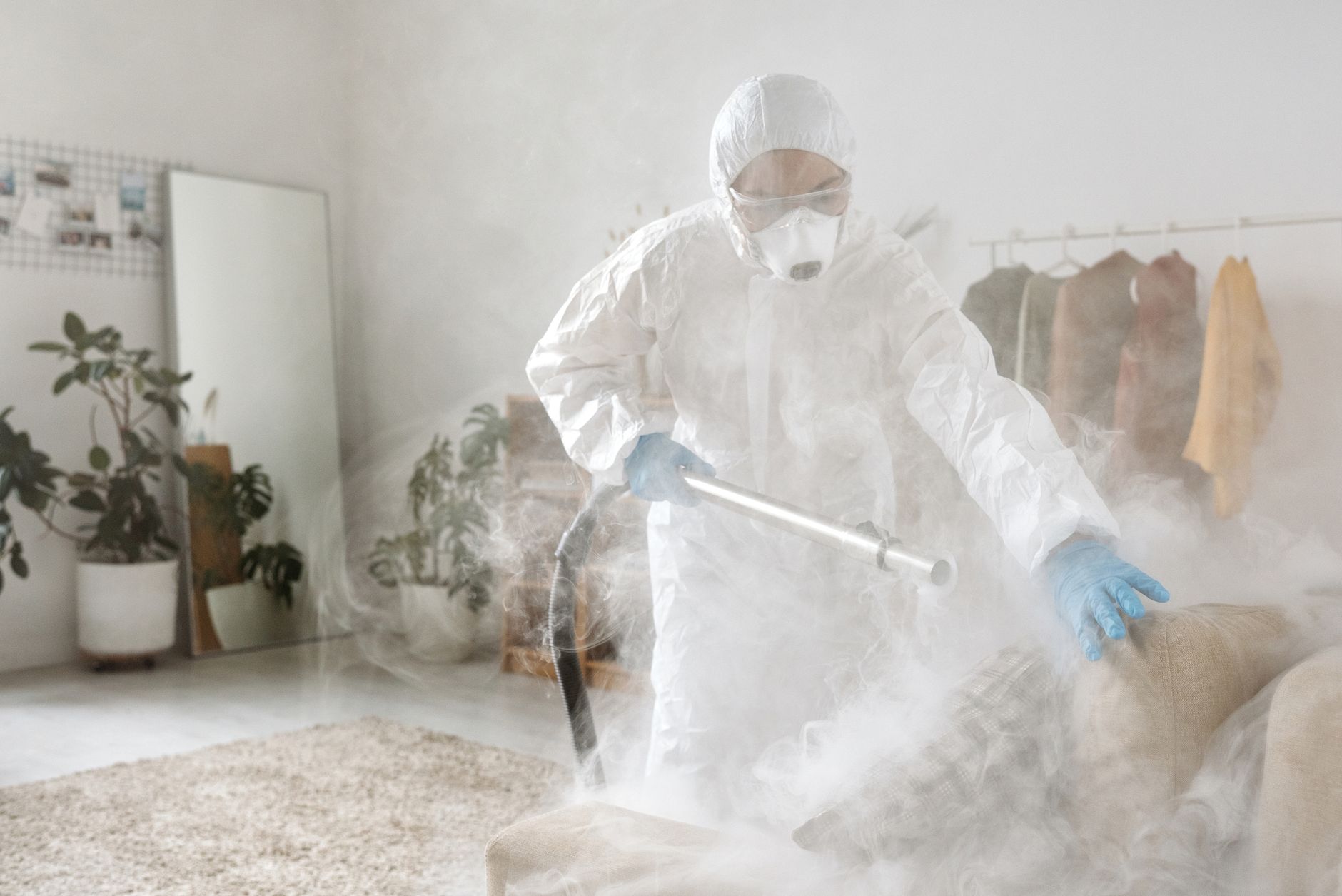 Photo by Michelangelo Buonarroti
Restoring Safe Living and Working Environments
Professionals who specialize in trauma scene and crime scene cleanup follow a strict process designed to restore spaces to a safe, healthy state. Their focus goes beyond surface cleaning to complete decontamination, removing every trace of hazards. Here’s what sets their process apart:
- Containment: Trained technicians establish barriers and use negative air machines to isolate affected areas, preventing hazardous materials from spreading. This protects the rest of the property during cleanup.
- Removal of Contaminated Materials: Items that cannot be salvaged—such as soaked furniture, carpets, or drywall—are carefully removed as regulated waste and handled according to legal waste disposal procedures. Proper waste disposal prevents contact with harmful substances and ongoing risks.
- Deep Cleaning and Disinfection: Every surface undergoes thorough decontamination using EPA-approved disinfectants known to destroy viruses and bacteria. Some spaces may require repeated cleaning or advanced treatments such as ozone or fogging to ensure complete germ eradication.
- Specialized Safety Measures: Professionals wear full PPE—including coveralls, gloves, respirators, and face shields—to avoid direct contact with contaminants. This protects both the team and the environment from cross-contamination.
Certified teams are well-versed in OSHA regulations and national safety standards, ensuring every step complies with rigorous health regulations. Detailed documentation is maintained for safety, health, and legal compliance. For more information, see this comprehensive trauma scene cleanup resource.
A properly restored space eliminates:
- Lingering odors that often persist after an incident
- Stains that can cause distress or reduce property value
- Hidden threats from bacteria, viruses, or chemical residues
Knowing all hazardous materials and risks have been fully addressed offers peace of mind to families, staff, and property owners—removing the worry of what might have been missed.
Psychological and Emotional Relief
Restoration after trauma is about more than just physical safety. Emotional well-being is deeply impacted by the sights and smells left behind from traumatic events. Professional cleanup provides essential relief by:
- Reducing distress for families confronting painful reminders
- Helping employees feel secure at work and regain focus
- Accelerating recovery for all involved through removal of clear trauma triggers
Those returning to their home or workplace after biohazard cleanup find comfort in how thoroughly the trauma scene was addressed. This renewed sense of safety is a crucial step toward healing and moving forward.
To learn more about how specialised care supports restoration after trauma, visit Aftermath Cleaners’ Trauma Scene Cleaning service page.
Compliance and Professional Standards
Trauma and biohazard cleanup requires strict adherence to state and national health regulations. Certified professionals:
- Receive training in safe handling of hazardous materials, PPE use, and biohazard cleanup standards
- Utilize EPA-approved disinfectants and follow best industry practices
- Maintain precise records of removal, cleaning, and waste disposal activities
These protocols protect families, workers, visitors, and future occupants. OSHA’s bloodborne pathogen standard and other workplace rules set mandatory requirements for every cleanup crew.
For an in-depth guide on safety and best practices, review the official trauma scene cleanup guidelines provided by health authorities.
Professional trauma and biohazard cleanup is more than just removing a mess—it’s about restoring environments where families and staff can feel safe, secure, and ready to rebuild.
Choosing the Right Cleanup Service for Your Needs
Picking the right trauma and biohazard cleanup service involves more than just finding someone with cleaning supplies. The safety of your loved ones, team, and property depends on trusting a company that brings the right skills and professional care to the job. A reputable biohazard cleanup partner manages every detail, so you no longer have to worry about exposure to hazardous materials, missed dangers, or added stress.
What to Look for in a Cleanup Company
When a traumatic event occurs, a fast and careful response is critical. Companies specializing in trauma and forensic cleanup provide more than a simple “deep clean.” The best crime scene cleanup providers follow safe, respectful, and legal processes every step of the way.
Look for these key features:
- Certification and Accreditation: Only consider companies with trained technicians who have specialized biohazard training, including bloodborne pathogen and EPA-certified procedures. Credentials should come from reputable health and safety organizations. For a detailed understanding of proper certification and protocols, see this step-by-step trauma cleanup guide.
- 24/7 Emergency Response: Trauma scenes require urgent, expert attention. The right team offers round-the-clock service, arriving promptly to secure and clean the affected area.
- Clear Process and Transparency: Professional services will clearly explain their methods, safety measures, and what to expect throughout the process. Transparency builds trust and keeps you informed.
- Insurance Support: Choose cleaners who assist with paperwork, help manage claims, and offer direct billing when possible.
- Proper Waste Disposal Practices: Biohazard waste disposal must follow approved, lawful, and EPA-compliant methods. Confirm that waste disposal aligns with all state and federal regulations.
Checking Credentials and Experience
Not every cleaning company is qualified for trauma and biohazard work. Ask important questions and verify credentials before hiring. Trustworthy companies are proud to share their experience, including references and satisfied customer testimonials.
Here’s a quick checklist for vetting a provider:
- Are all staff members trained technicians with biohazard and EPA certification?
- Does the company carry appropriate insurance and bonding?
- Can they clearly explain a detailed cleanup or forensic cleanup plan?
- Are they compliant with all local, state, and federal safety laws?
- Do they document their work thoroughly and provide full reports if needed?
- Is their reputation strong, backed by positive reviews?
For more on reliable cleanup requirements and protocols, see Essential Biohazard Cleanup Requirements.
The Benefits of a Trusted and Compassionate Service
Selecting the right trauma scene and crime scene cleanup service means more than just technical skill. You want a team that combines professionalism with compassion, privacy, and clear communication. Experienced professionals:
- Act discreetly and respectfully, safeguarding your privacy and dignity
- Listen carefully to your needs and concerns before, during, and after cleanup
- Handle sensitive situations with patience and care, understanding the emotional toll on families and staff
- Perform thorough remediation, ensuring no hazards are missed and eliminating lingering odors
Reputable providers like Aftermath Cleaners focus on discretion, empathy, and meticulous work. Their services encompass a wide range of biohazard situations, including hazardous scenarios like methamphetamine labs and tear gas contamination. Learn more about their Crime Scene and Biohazard Cleaning expertise.
Why a Professional Service Matters
Attempting trauma or biohazard cleanup on your own—or hiring a regular cleaner—can be dangerous. Professionals bring essential safety training, expertise, and specialized equipment to manage hazardous materials properly. Their work protects people both immediately and for the long term.
Further insights into certifications and safety protocols for trauma scene cleanup teams can be found in this expert guide to trauma scene cleanup.
Ultimately, investing time to choose qualified professionals ensures peace of mind for everyone involved. The right experts put your family’s or staff’s safety first, allowing you to focus on recovery and moving forward.
Conclusion
Keeping families and staff safe starts with proper trauma and biohazard cleanup. When qualified experts handle challenging tasks like crime scene cleanup and other biohazard services, everyone is protected from hidden germs, health risks, and emotional strain. Skipping professional help or trusting untrained cleaners puts people and property in danger, both immediately and in the long term.
Professional biohazard cleaning and restoration restore calm and trust, giving you peace of mind to move forward after a stressful event. If you want to see the difference made for clients in crisis, take a look at who we help — clients served by Aftermath Cleaners. Choosing the right team not only safeguards your space but also supports your well-being.
Reach out for support if you ever need it—your health, privacy, and safety are worth it. Thank you for reading, and feel free to share your questions or experiences.