

Aftermath cleaning involves much more than just tidying up after a tragic event. It refers to the comprehensive trauma cleaning, disinfecting, and restoration of homes or workplaces following incidents such as accidents, unattended deaths, or crime scenes. These situations often leave behind hazardous materials that standard cleaning methods cannot address.
This professional service is essential because it protects people from health risks, removes distressing reminders of trauma, and helps families or businesses move forward. By ensuring that affected spaces are safe and thoroughly cleaned through biohazard cleaning, aftermath cleaning plays a crucial role in public safety and provides much-needed peace of mind during difficult times.
What Is Aftermath Cleaning?
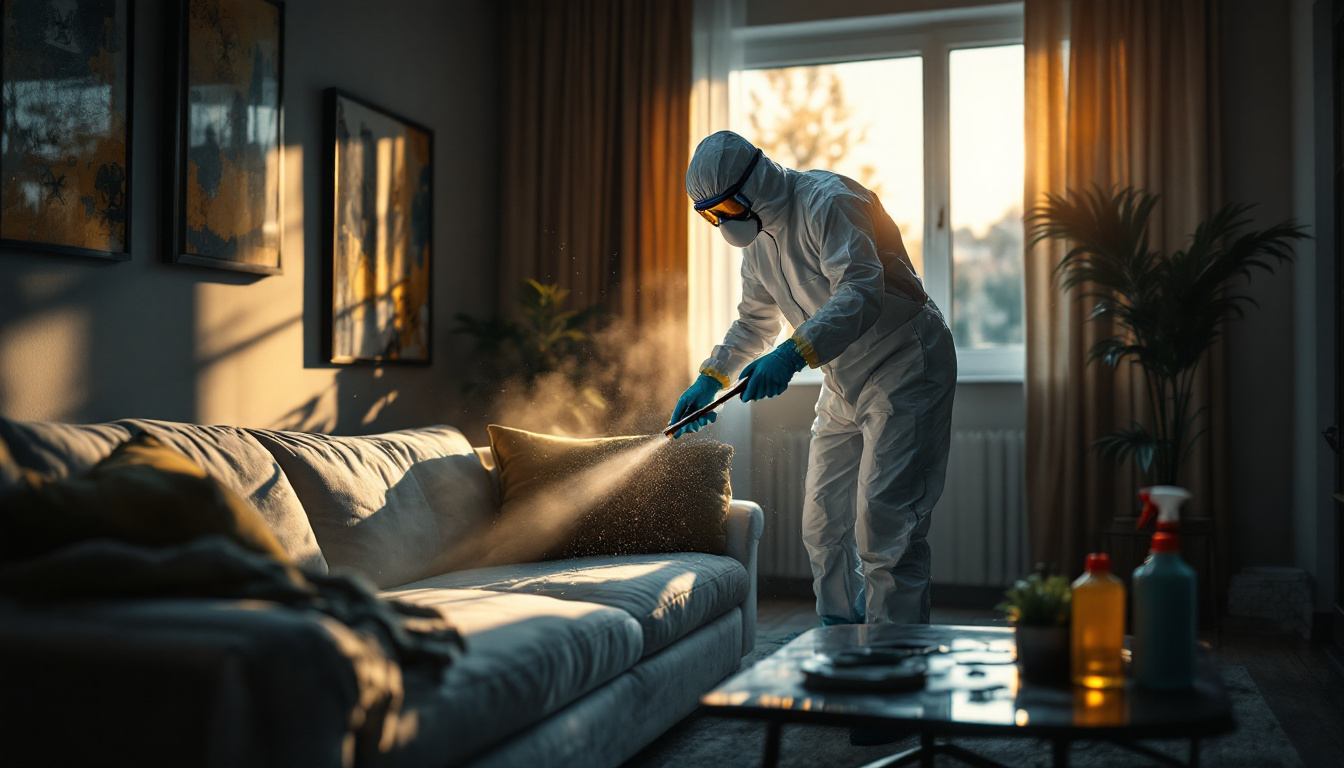 Aftermath cleaning steps in when a basic tidy-up isn’t sufficient. When homes or businesses face serious incidents—such as accidents, deaths, or crimes—there’s often more left behind than meets the eye. This specialized cleaning requires trained professionals equipped with protective gear and clear procedures. Basic cleaning supplies can’t remove dangerous substances or safeguard against health hazards, so aftermath cleaning experts use advanced methods and equipment. The goal is not just to remove visible mess but to eliminate anything that could cause harm.
Defining Aftermath Cleaning
Aftermath cleaning is a professional cleanup service dedicated to managing the serious messes left by traumatic or hazardous events. These specialists are trained to safely remove blood, bodily fluids, and other biohazardous waste from homes, offices, or public areas. Their work is crucial for protecting people from lingering health risks and restoring environments to safe, livable conditions.
Unlike everyday cleaning companies, aftermath cleaners focus on scenes where regular cleaning could pose health or safety risks. Their services may include:
- Blood cleanup after accidents or suicides
- Crime scene cleanup
- Restoring spaces following unattended deaths or medical emergencies
- Sanitizing locations after biohazard spills
Aftermath cleaning professionals follow strict safety protocols and legal requirements to protect everyone involved. To dive deeper into their responsibilities, refer to resources about trauma cleaning and biohazard cleaning.
When Is Aftermath Cleaning Needed?
Routine spills or messes in your home rarely require specialized cleaning. Aftermath cleaning becomes necessary following traumatic events, accidents, or biohazard incidents. This can range from a simple fall causing blood loss to complex crime scene investigations.
Typical situations calling for these services include:
- Unattended deaths
- Violent crimes leave blood or tissue behind
- Industrial accidents at work
- Exposure to infectious diseases or hazardous chemicals
- Severe hoarding with contamination risks
Each case varies, but in all these scenarios, standard household cleaning is inadequate. Aftermath cleaning teams are equipped not only to remove physical hazards but also to help restore a sense of safety after emotionally challenging events. For more insight on who benefits from these services and typical cases, visit Who we help with aftermath cleanup.
What Sets Aftermath Cleaning Apart From Regular Cleaning?
Aftermath cleaning is distinguished by three main factors: the risks involved, legal obligations, and the emotional impact on those affected.
The foremost difference is the biohazard risk. Trauma cleaning often involves exposure to blood, bodily fluids, and potentially dangerous chemicals. Without specialized cleaning training and equipment, these hazards can lead to infection or injury.
Strict legal and safety requirements also set aftermath cleaning apart. Biohazardous waste must be disposed of according to approved regulations, and aftermath cleaning professionals adhere to detailed protocols to comply with health laws. Regular cleaning companies lack the training or authorization to handle such materials.
Equally important—but often overlooked—is the emotional impact of the work. Aftermath cleaners frequently enter homes or businesses where individuals are grieving or in shock. These professionals work with respect and discretion, providing support through their calm, unobtrusive presence and thorough cleaning.
Here’s a quick comparison highlighting key differences:
Regular CleaningAftermath Cleaning, mopping, sanitizingBiohazard removal, decontamination, restorationCommon household choresHandling blood, bodily fluids, hazardous materials special disposal neededLegal disposal of biohazardous wasteMinimal training requiredSpecialist training and protective equipmentLittle emotional impactHigh emotional impact and professionalism
For additional details about how thorough biohazard cleaning and decontamination work, check out this resource on how aftermath biohazard cleaners ensure thorough decontamination.
When the worst has passed, aftermath cleaning professionals are the specialists you rely on to restore safety and peace of mind. Knowing that expert help is available can bring some relief during the most difficult times.
Types of Incidents Requiring Aftermath Cleaning
When a traumatic incident occurs, the real threat often lies in what is unseen. Hidden biohazards can persist in the environment long after the initial event, making expert intervention crucial. In this section, you’ll discover the types of incidents that require specialist cleaning, the risks they pose, and why aftercare is never a task for amateurs.
Unattended Deaths and Decomposition
Unattended death situations bring some of the most complex biohazard risks. When a body remains undiscovered, decomposition causes fluids to seep into furniture, floors, and walls. These bodily fluids not only stain surfaces but also create breeding grounds for bacteria and viruses. The resulting odor requires specialized odor removal techniques to fully eliminate. Without proper skills and protective gear, attempting cleanup can expose individuals to bloodborne pathogens, mould, and other hazardous materials.
Cleanup teams respond discreetly, equipped with full protective gear to safely contain contamination. They carefully assess all affected areas, remove biohazardous waste, and perform deep cleaning using hospital-grade disinfectants. Advanced air filtration systems handle odor removal, and any items beyond salvage are disposed of according to strict health regulations. For families and property managers, this thorough restoration helps bring dignity and safety back to the site.
For emergency or sensitive cleanup services, you can learn more about emergency aftermath cleanup specialists for unattended deaths, or explore the detailed risks of DIY biohazard cleaning and decomposition cleanup.
Crime Scenes and Trauma Events
Following a crime or traumatic event, the area often contains visible blood and other bodily fluids, but the dangers extend further. These fluids quickly penetrate fabrics and cracks, making them difficult to remove. Biohazards can remain active for weeks if untreated, putting anyone nearby at risk of infection.
Crime scene cleanup adds another layer of complexity: the need for sensitivity and privacy. Cleaning professionals collaborate closely with law enforcement to ensure locations are cleared only after all official procedures are complete. They also respect the emotional states of affected families and property owners.
Specialized teams utilize targeted cleaning agents, secure disposal methods, and proven techniques to remove blood and contaminated materials safely. They meticulously document their work to comply with legal and insurance requirements. For a comprehensive overview of the process and safety considerations, visit this detailed guide on crime scene biohazard cleanup.
Other Biohazard Situations: Hoarding, Infectious Disease, and More
Biohazard cleaning is not limited to trauma scenes. Properties impacted by hoarding, infectious disease outbreaks, or chemical spills also demand expert attention and care. Hoarding environments often contain large amounts of waste, decomposing food, and clutter, all of which foster bacteria and mould growth. Infectious disease incidents pose the risk of lingering pathogens on surfaces and in the air.
Experienced cleaners handle clutter removal with caution and carry out thorough disinfection, balancing compassion with precision. Each situation calls for a tailored plan, careful segregation of salvable and unsalvageable items, and strict hygiene protocols. Personal protective equipment and secure biohazardous waste disposal are vital to prevent disease transmission to people and pets.
To understand why specialized biohazard cleaning is essential in these cases, explore more on biohazard hoarding cleanup challenges and solutions and best practices for infectious disease disinfection and biohazard removal.
The Steps Involved in Professional Aftermath Cleaning
When you hire a professional aftermath cleaning team, you’re not just paying for a tidy-up; you’re investing in a carefully structured process that safeguards health, complies with OSHA and EPA regulations, and restores your peace of mind. Each stage is grounded in safety, thoroughness, and respect for what you’re experiencing. Let’s break down exactly how the cleaning unfolds, highlighting why specialized cleaning by trained professionals is so essential.
Assessment and Hazard Identification
Every job begins with a detailed assessment. Trained cleaners arrive on-site to thoroughly examine the area, identifying all visible and hidden risks. This includes checking for blood, bodily fluids, sharp objects, damaged surfaces, or any potential hazards. They follow clear protocols to map out contamination zones and ensure you understand what to expect.
Professionals evaluate both surfaces and air quality, documenting everything for insurance and legal compliance. This initial step shapes the plan and directs how the rest of the work proceeds.
Containment and Safety Protocols
 Photo by Matilda Wormwood
Once hazards are identified, cleaners seal off affected areas to prevent contamination from spreading to other parts of the property. They use heavy-duty plastic sheeting, specialist tape, and air filtration equipment. This containment step is vital when spaces are shared with neighbors or the public, ensuring everyone’s safety.
All personnel working within the zone wear full personal protective equipment (PPE)—including gloves, masks, goggles, and disposable suits. The use of PPE is crucial not only for their safety but also to prevent pathogens or micro-particles from spreading further. Adhering to OSHA and EPA safety standards protects health and reduces legal risks.
Removal and Disinfection
With containment secured, the intensive work begins. Cleaners safely remove all hazardous materials, including items contaminated with blood or other biological fluids. This can involve furniture, carpets, floorboards, or even parts of walls, depending on the extent of contamination.
Following bulk removal, specialized cleaning techniques come into play. Medical-grade disinfectants are used on every surface to ensure thorough decontamination. Tools such as foggers and ultraviolet light help eliminate harmful bacteria and viruses in hard-to-reach areas. These deep cleaning methods are critical for removing invisible threats as highlighted in the step-by-step biohazard remediation process.
Safe Disposal of Hazardous Materials
All waste removed from the scene is handled with strict care. Biohazardous waste is carefully separated, securely bagged, and transported to licensed disposal facilities. Disposal regulations are stringent—non-compliance can result in heavy fines and pose public health dangers.
Professional services maintain detailed records of all waste, documenting its path from the property to the final disposal site. This legal trail is a fundamental aspect of reputable aftermath cleaning, providing you peace of mind that everything was conducted safely and by the book.
Restoration and Returning the Area to Safety
Once biohazardous waste is removed and the area has undergone thorough sanitization, the team performs rigorous testing of air and surfaces to confirm no pathogens or residues remain. Any damage—such as ripped flooring or removed fittings—may be repaired as part of the restoration process, returning the home or business to a safe and functional state.
Throughout the project, professional cleaners adhere to health standards and local laws. Their work goes beyond cleaning—it ensures the space is safe to reoccupy, physically and emotionally. For more insight into how experts guarantee comprehensive cleaning, visit this guide on how biohazard cleaners ensure thorough decontamination.
Professional aftermath cleaning is more than surface-level—it’s a vital, multi-step process that protects families, employees, and communities, restoring spaces after some of life’s most challenging events.
Why Hiring Qualified Aftermath Cleaning Specialists Matters
When trauma or biohazard strikes, it’s tempting to think a deep clean will do. But these incidents demand much more than elbow grease. Certified aftermath cleaning professionals bring the training, tools, and compassion necessary to protect both health and dignity. Choosing a trusted team safeguards families, businesses, and communities from health risks that linger long after the visible mess is gone.
Protecting Public Health and Well-being
Aftermath cleaning involves more than wiping away what’s left behind. Blood, bodily fluids, and other hazardous materials can carry dangerous pathogens. These biohazards are often invisible but can spread rapidly if not handled properly. Qualified specialists use hospital-grade disinfectants, industrial equipment, and personal protective gear to ensure thorough sanitization and infection control.
Without proper removal and disinfection, harmful viruses or bacteria may continue to pose threats for months. Hiring experienced experts means you receive a comprehensive professional cleanup—not just a surface one. This brings peace of mind, knowing your space is truly safe to use again. To understand the real dangers behind improper clean-up, see the guide on why professional cleanup is essential after a decomposition.
Meeting Legal and Environmental Disposal Standards
Laws around biohazard disposal are strict for good reason: hazardous waste can’t simply be discarded with regular rubbish. Trained aftermath cleaners follow all local and national rules for packaging, transporting, and disposing of dangerous materials. This prevents fines and helps protect the wider community.
Certified teams maintain detailed records and documentation. These are vital for insurance claims, landlord duties, and police procedures after trauma or crime. Attempting to handle things yourself or hiring unlicensed help can lead to costly mistakes and potential liability. Learn about the importance of proper protocols with hiring certified biohazard cleanup professionals.
Sensitivity for Families and Relatives
Trauma scene cleaning isn’t just a technical job; it’s about caring for people during distressing times. The right professional services know how to move quietly, respect privacy, and act with empathy. They shield clients from seeing disturbing sights or reliving traumatic moments, reducing the emotional impact.
Professional teams often arrive discreetly, working quickly to minimize disruption and distress. This support makes a difficult time a little more manageable—sometimes, it’s just knowing you don’t have to face the mess yourself that helps families and teams start the healing process.
Reducing Future Risk, Liability, and Supporting Restoration
A botched cleanup doesn’t just leave behind germs; it can result in lasting odors, ongoing contamination, and repair challenges for landlords or property managers. Improper waste handling could even endanger neighbors or future occupants.
Specialized cleaning crews look beyond what’s visible. They use tools like ATP meters and air quality monitors to ensure every corner is safe. This prevents hidden contamination from causing long-term problems with health, property value, or legal claims. Their work supports smooth restoration of affected spaces. Find out how advanced techniques help by reading about employing experts for biohazard cleanup.
Checkpoints: What to Expect From Qualified Teams
When you hire certified aftermath cleaning experts, you can expect:
- Fast, discreet response and respectful interaction with all involved
- Strict adherence to health, biohazard disposal, and safety regulations
- Use of specialist products and protective equipment
- Documentation for insurance, legal, or business needs
- Compassionate service that reduces stress and trauma for others
Hiring the right help does more than tick a box; it saves time, protects health, and lets people start moving forward more safely. There’s no substitute for experience when every detail matters.
Conclusion
Understanding what trauma cleaning involves and recognising when to seek specialist help can make all the difference during the most challenging times. Professional cleanup teams know how to eliminate hazards, protect your health, and manage sensitive scenes with compassion and respect. You never have to face these situations alone—emergency services are available whenever you need immediate assistance.
If you want extra peace of mind or are unsure where to begin, explore the benefits of professional trauma cleanup.
Whenever life brings an unexpected crisis, don’t hesitate to get in touch with Aftermath Cleaners Doncaster. With trusted professional services ready to support you, you deserve a safe space to start healing—let experienced hands guide you there.